Buy wypozyczalnia-strojow.eu ?
We are moving the project
wypozyczalnia-strojow.eu .
Are you interested in purchasing the domain
wypozyczalnia-strojow.eu ?
domain@kv-gmbh.de · 0541-91531010
Buy wypozyczalnia-strojow.eu ?
How to create a titration curve of a conductivity titration?
To create a titration curve of a conductivity titration, you would first need to set up your titration apparatus with a conductivity meter. Begin by measuring the initial conductivity of the solution being titrated. As you add titrant incrementally, record the conductivity at each point. Plot the conductivity values against the volume of titrant added to create a titration curve. The curve will typically show a sharp increase in conductivity at the equivalence point, allowing you to determine the endpoint of the titration. **
How does a titration with the degree of titration work?
A titration with the degree of titration works by gradually adding a titrant of known concentration to a solution of the analyte until the reaction between the two is complete. The point at which the reaction is complete is determined by using an indicator or a pH meter. The amount of titrant required to reach this point is used to calculate the concentration of the analyte in the original solution. The degree of titration refers to the extent to which the reaction has progressed and is typically expressed as a percentage. **
Similar search terms for Titration
Top-Angebote
Products related to Titration:
-
Combo Retail Shop Plastic Trays, Jewellery Storage Plates, Photo Props, Display Plates, Light Luxury Accessories And Ornaments whiteCreate a beautifully organised space with these light luxury trays designed for styling, storing, and showcasing your favourite pieces. Made for modern homes and creative work spaces, these trays bring together function and design in a way that...31,97 $*Shipping: 0,00 $Secure redirect to the provider
-
Inspire Select Red Foam Clown Nose Balls DIY Cosplay Costume Props For Circus, Halloween, Party & Performance Accessories 20pcsBring laughter and unforgettable fun to every celebration with a playful costume accessory everyone will love. These lightweight red clown nose props are made from soft foam for a comfortable fit during parties, performances, and themed events....64,96 $*Shipping: 0,00 $Secure redirect to the provider
-
Combo Retail Shop Plastic Trays, Jewellery Storage Plates, Photo Props, Display Plates, Light Luxury Accessories And Ornaments silverCreate a beautifully organised space with these light luxury trays designed for styling, storing, and showcasing your favourite pieces. Made for modern homes and creative work spaces, these trays bring together function and design in a way that...31,97 $*Shipping: 0,00 $Secure redirect to the provider
-
Inspire Select Red Foam Clown Nose Balls DIY Cosplay Costume Props For Circus, Halloween, Party & Performance Accessories 5pcsBring laughter and unforgettable fun to every celebration with a playful costume accessory everyone will love. These lightweight red clown nose props are made from soft foam for a comfortable fit during parties, performances, and themed events....42,98 $*Shipping: 0,00 $Secure redirect to the provider


-
How does titration work?
Titration is a technique used in chemistry to determine the concentration of a specific substance in a solution. It involves slowly adding a solution of known concentration (titrant) to a solution of unknown concentration until the reaction between the two is complete. This is typically indicated by a color change or other observable change. By measuring the volume of titrant required to reach the endpoint, the concentration of the unknown solution can be calculated using stoichiometry. **
-
What is a titration?
A titration is a laboratory technique used to determine the concentration of a specific substance in a solution. It involves slowly adding a solution of known concentration (titrant) to a solution of unknown concentration until the reaction between the two is complete. The point at which the reaction is complete is called the equivalence point, which is used to calculate the concentration of the unknown solution. Titration is commonly used in chemistry for various purposes, such as determining the acidity or alkalinity of a solution. **
-
Can the titration volume be calculated without having performed the titration beforehand?
No, the titration volume cannot be accurately calculated without having performed the titration beforehand. The titration volume is determined by the amount of titrant needed to reach the equivalence point, which can only be determined through the actual titration process. The titration volume is a crucial parameter in determining the concentration of the analyte in the sample, so it is essential to perform the titration to obtain this information accurately. **
-
What does a titration curve look like when no titration is performed?
When no titration is performed, a titration curve would simply be a straight horizontal line at the initial pH of the solution being tested. This is because there would be no addition of titrant to cause any changes in pH. The curve would remain flat and unchanging until a titrant is added to initiate the titration process. **


What is the difference between a pH-metric titration and an indicator titration?
A pH-metric titration involves the use of a pH meter to measure the pH of a solution as a titrant is added to it. This allows for a precise determination of the equivalence point of the titration. On the other hand, an indicator titration uses a chemical indicator that changes color at or near the equivalence point to signal the end of the titration. While pH-metric titrations provide more accurate and precise results, indicator titrations are simpler and more commonly used in introductory chemistry labs. **
What is a back titration?
A back titration is a technique used in analytical chemistry to determine the concentration of an analyte that reacts slowly or incompletely with a direct titration method. It involves adding an excess of a known reagent to the analyte, allowing the reaction to proceed, and then titrating the excess reagent that did not react with a second titrant. By measuring the amount of the second titrant required to react with the excess reagent, the concentration of the analyte can be calculated. Back titrations are particularly useful when the analyte is volatile, weakly acidic or basic, or when there are interfering substances present. **
Top-Angebote
Products related to Titration:
-
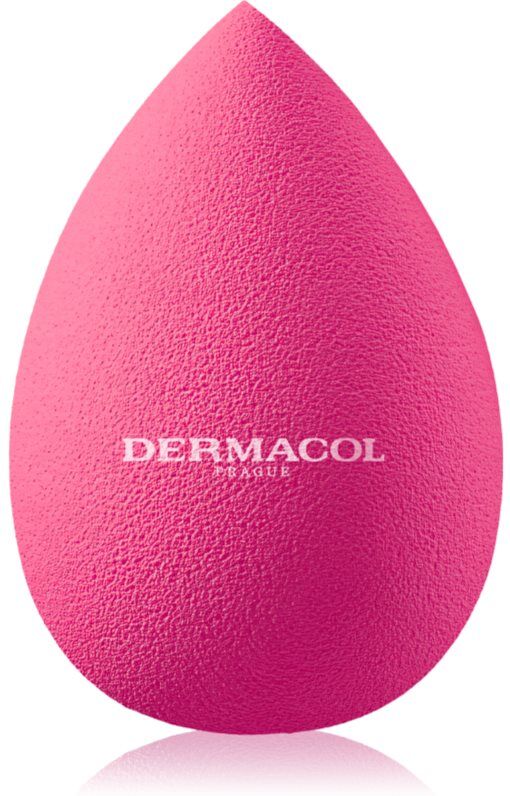
Dermacol Accessories Beauty Blender teardrop makeup sponge 1 pcDermacol Accessories Beauty Blender, 1 pc, Sponges for Women, When you’re applying foundation with your fingers or a brush, do you get the feeling that you’re not achieving the results you’d like? Try an alternative to traditional brushes. The Dermacol Accessories Beauty Blender makeup sponge provides flawless application of foundation for a professional-looking result. It will help you cover all skin imperfections with a more natural-looking result than you could ever achieve with your fingers. Its shape adapts to the contours of every face, applying product into every nook and cranny, with its ultra-soft surface ensuring an even and precise application without streaks or absorbing too much makeup. Characteristics: comfortable to hold in the hand applies cream or liquid makeup precisely the result is a smooth finish smooth foam applicator How to use: Dampen the sponge before use. Apply foundation, base or concealer to the sponge, then spread lightly across the face.2,97 £*Shipping: 3,99 £Secure redirect to the provider
-
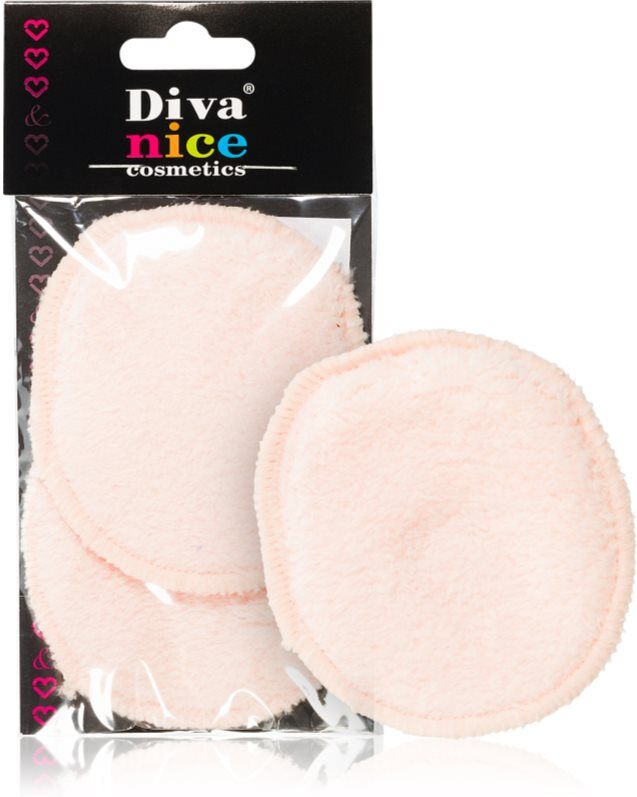
Diva & Nice Cosmetics Accessories Face makeup remover pads 2 pcDiva & Nice Cosmetics Accessories Face, 2 pc, Makeup remover pads for Women, Makeup removal is an essential skincare step that should never be skipped. The Diva & Nice CosmeticsAccessoriesFace makeup remover pads help to wipe off all foundation from your face, cleanse your skin and prepare it for the next step of your skincare routine. Characteristics: help remove makeup and clean the skin absorb makeup remover brilliantly a smooth surface that is gentle on the skin How to use: Apply makeup remover or cleanser to the makeup remover pad and use circular movements to clean the skin thoroughly.1,62 £*Shipping: 3,99 £Secure redirect to the provider
-
Combo Retail Shop Plastic Trays, Jewellery Storage Plates, Photo Props, Display Plates, Light Luxury Accessories And Ornaments whiteCreate a beautifully organised space with these light luxury trays designed for styling, storing, and showcasing your favourite pieces. Made for modern homes and creative work spaces, these trays bring together function and design in a way that...31,97 $*Shipping: 0,00 $Secure redirect to the provider
-
Inspire Select Red Foam Clown Nose Balls DIY Cosplay Costume Props For Circus, Halloween, Party & Performance Accessories 20pcsBring laughter and unforgettable fun to every celebration with a playful costume accessory everyone will love. These lightweight red clown nose props are made from soft foam for a comfortable fit during parties, performances, and themed events....64,96 $*Shipping: 0,00 $Secure redirect to the provider
-
How to create a titration curve of a conductivity titration?
To create a titration curve of a conductivity titration, you would first need to set up your titration apparatus with a conductivity meter. Begin by measuring the initial conductivity of the solution being titrated. As you add titrant incrementally, record the conductivity at each point. Plot the conductivity values against the volume of titrant added to create a titration curve. The curve will typically show a sharp increase in conductivity at the equivalence point, allowing you to determine the endpoint of the titration. **
-
How does a titration with the degree of titration work?
A titration with the degree of titration works by gradually adding a titrant of known concentration to a solution of the analyte until the reaction between the two is complete. The point at which the reaction is complete is determined by using an indicator or a pH meter. The amount of titrant required to reach this point is used to calculate the concentration of the analyte in the original solution. The degree of titration refers to the extent to which the reaction has progressed and is typically expressed as a percentage. **
-
How does titration work?
Titration is a technique used in chemistry to determine the concentration of a specific substance in a solution. It involves slowly adding a solution of known concentration (titrant) to a solution of unknown concentration until the reaction between the two is complete. This is typically indicated by a color change or other observable change. By measuring the volume of titrant required to reach the endpoint, the concentration of the unknown solution can be calculated using stoichiometry. **
-
What is a titration?
A titration is a laboratory technique used to determine the concentration of a specific substance in a solution. It involves slowly adding a solution of known concentration (titrant) to a solution of unknown concentration until the reaction between the two is complete. The point at which the reaction is complete is called the equivalence point, which is used to calculate the concentration of the unknown solution. Titration is commonly used in chemistry for various purposes, such as determining the acidity or alkalinity of a solution. **
Similar search terms for Titration
-
Combo Retail Shop Plastic Trays, Jewellery Storage Plates, Photo Props, Display Plates, Light Luxury Accessories And Ornaments silverCreate a beautifully organised space with these light luxury trays designed for styling, storing, and showcasing your favourite pieces. Made for modern homes and creative work spaces, these trays bring together function and design in a way that...31,97 $*Shipping: 0,00 $Secure redirect to the provider
-
Inspire Select Red Foam Clown Nose Balls DIY Cosplay Costume Props For Circus, Halloween, Party & Performance Accessories 5pcsBring laughter and unforgettable fun to every celebration with a playful costume accessory everyone will love. These lightweight red clown nose props are made from soft foam for a comfortable fit during parties, performances, and themed events....42,98 $*Shipping: 0,00 $Secure redirect to the provider
-
Inspire Select Red Foam Clown Nose Balls DIY Cosplay Costume Props For Circus, Halloween, Party & Performance Accessories 1pcBring laughter and unforgettable fun to every celebration with a playful costume accessory everyone will love. These lightweight red clown nose props are made from soft foam for a comfortable fit during parties, performances, and themed events....38,99 $*Shipping: 0,00 $Secure redirect to the provider
-
Inspire Select Red Foam Clown Nose Balls DIY Cosplay Costume Props For Circus, Halloween, Party & Performance Accessories 30pcsBring laughter and unforgettable fun to every celebration with a playful costume accessory everyone will love. These lightweight red clown nose props are made from soft foam for a comfortable fit during parties, performances, and themed events....75,97 $*Shipping: 0,00 $Secure redirect to the provider
-
Can the titration volume be calculated without having performed the titration beforehand?
No, the titration volume cannot be accurately calculated without having performed the titration beforehand. The titration volume is determined by the amount of titrant needed to reach the equivalence point, which can only be determined through the actual titration process. The titration volume is a crucial parameter in determining the concentration of the analyte in the sample, so it is essential to perform the titration to obtain this information accurately. **
-
What does a titration curve look like when no titration is performed?
When no titration is performed, a titration curve would simply be a straight horizontal line at the initial pH of the solution being tested. This is because there would be no addition of titrant to cause any changes in pH. The curve would remain flat and unchanging until a titrant is added to initiate the titration process. **
-
What is the difference between a pH-metric titration and an indicator titration?
A pH-metric titration involves the use of a pH meter to measure the pH of a solution as a titrant is added to it. This allows for a precise determination of the equivalence point of the titration. On the other hand, an indicator titration uses a chemical indicator that changes color at or near the equivalence point to signal the end of the titration. While pH-metric titrations provide more accurate and precise results, indicator titrations are simpler and more commonly used in introductory chemistry labs. **
-
What is a back titration?
A back titration is a technique used in analytical chemistry to determine the concentration of an analyte that reacts slowly or incompletely with a direct titration method. It involves adding an excess of a known reagent to the analyte, allowing the reaction to proceed, and then titrating the excess reagent that did not react with a second titrant. By measuring the amount of the second titrant required to react with the excess reagent, the concentration of the analyte can be calculated. Back titrations are particularly useful when the analyte is volatile, weakly acidic or basic, or when there are interfering substances present. **
* All prices are inclusive of VAT and, if applicable, plus shipping costs. The offer information is based on the details provided by the respective shop and is updated through automated processes. Real-time updates do not occur, so deviations can occur in individual cases. ** Note: Parts of this content were created by AI.