Buy wypozyczalnia-strojow.eu ?
We are moving the project
wypozyczalnia-strojow.eu .
Are you interested in purchasing the domain
wypozyczalnia-strojow.eu ?
domain@kv-gmbh.de · 0541-91531010
Buy wypozyczalnia-strojow.eu ?
What is the Himalayas?
The Himalayas is a vast mountain range in Asia, separating the plains of the Indian subcontinent from the Tibetan Plateau. It is home to some of the world's highest peaks, including Mount Everest, and spans five countries: India, Nepal, Bhutan, China, and Pakistan. The Himalayas are also known for their rich biodiversity, with a wide variety of flora and fauna found in the region. Additionally, the range has significant cultural and spiritual importance, with many sacred sites and pilgrimage routes located within its peaks and valleys. **
Where is the Himalayas located?
The Himalayas are located in Asia, spanning across five countries: India, Nepal, Bhutan, China, and Pakistan. This mountain range stretches over 1,500 miles from east to west, and its highest peak, Mount Everest, is situated in Nepal. The Himalayas are known for their majestic beauty and are a popular destination for trekkers, climbers, and nature enthusiasts. **

Similar search terms for Himalayas
Top-Angebote
Products related to Himalayas:
-
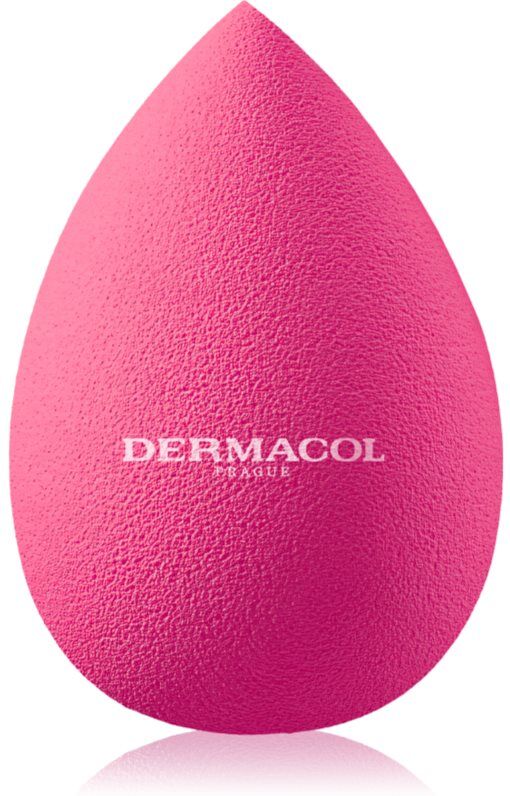
Dermacol Accessories Beauty Blender teardrop makeup sponge 1 pcDermacol Accessories Beauty Blender, 1 pc, Sponges for Women, When you’re applying foundation with your fingers or a brush, do you get the feeling that you’re not achieving the results you’d like? Try an alternative to traditional brushes. The Dermacol Accessories Beauty Blender makeup sponge provides flawless application of foundation for a professional-looking result. It will help you cover all skin imperfections with a more natural-looking result than you could ever achieve with your fingers. Its shape adapts to the contours of every face, applying product into every nook and cranny, with its ultra-soft surface ensuring an even and precise application without streaks or absorbing too much makeup. Characteristics: comfortable to hold in the hand applies cream or liquid makeup precisely the result is a smooth finish smooth foam applicator How to use: Dampen the sponge before use. Apply foundation, base or concealer to the sponge, then spread lightly across the face.3,10 £*Shipping: 3,99 £Secure redirect to the provider
-
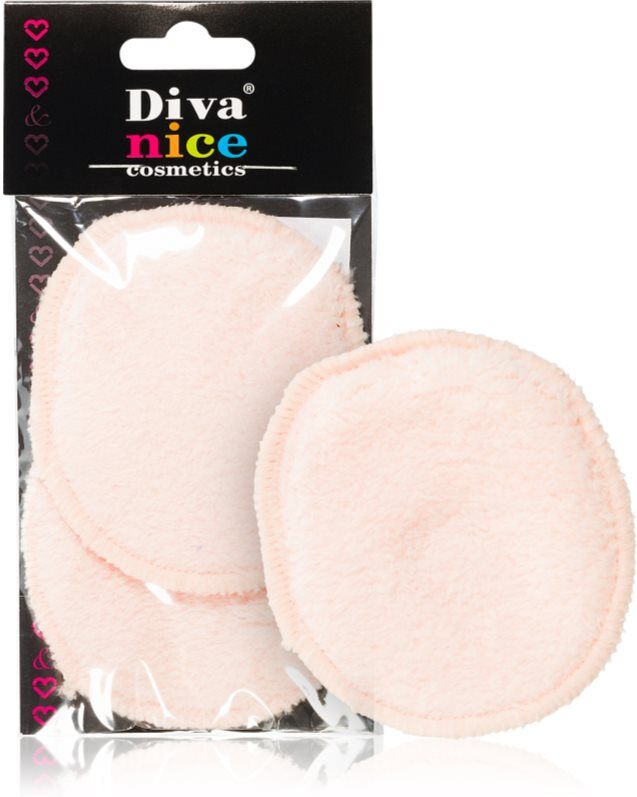
Diva & Nice Cosmetics Accessories Face makeup remover pads 2 pcDiva & Nice Cosmetics Accessories Face, 2 pc, Makeup remover pads for Women, Makeup removal is an essential skincare step that should never be skipped. The Diva & Nice CosmeticsAccessoriesFace makeup remover pads help to wipe off all foundation from your face, cleanse your skin and prepare it for the next step of your skincare routine. Characteristics: help remove makeup and clean the skin absorb makeup remover brilliantly a smooth surface that is gentle on the skin How to use: Apply makeup remover or cleanser to the makeup remover pad and use circular movements to clean the skin thoroughly.1,80 £*Shipping: 3,99 £Secure redirect to the provider
-
Smart Shopping Spot Silicone DIY Mask Brush Soft Head For Smooth, Precise Application Of Face Masks & Makeup cTake the mess out of your beauty routine with the 1pc Silicone DIY Mask Brush. Specially designed for applying masks, this soft yet firm brush ensures a smooth, precise application every time. Whether you're using mud, clay, or charcoal masks, the...29,97 $*Shipping: 0,00 $Secure redirect to the provider


-
How old is the Himalayas?
The Himalayas are estimated to be around 50 million years old. The mountain range was formed as a result of the collision between the Indian and Eurasian tectonic plates. Over millions of years, the Himalayas have continued to grow and change due to the ongoing movement of these plates. The Himalayas are considered relatively young compared to other mountain ranges on Earth. **
-
How high are the Himalayas?
The Himalayas are the highest mountain range in the world, with the highest peak being Mount Everest at 29,032 feet (8,849 meters) above sea level. The range spans across five countries - India, Nepal, Bhutan, China, and Pakistan - and includes over 100 mountains that are over 23,600 feet (7,200 meters) high. The average elevation of the Himalayas is around 16,000 feet (4,900 meters) above sea level, making it one of the most formidable and majestic mountain ranges on Earth. **
-
How was the Himalayas formed?
The Himalayas were formed through the collision of the Indian Plate and the Eurasian Plate. Around 50 million years ago, the Indian Plate began moving northward and eventually collided with the Eurasian Plate. This collision caused the Earth's crust to crumple and fold, resulting in the formation of the Himalayan mountain range. The ongoing tectonic activity in the region continues to push the Himalayas higher, making them one of the youngest and tallest mountain ranges in the world. **
-
Why are there no volcanoes in the Himalayas?
The Himalayas are formed by the collision of the Indian and Eurasian tectonic plates, which has resulted in the uplift of the region. This collision has caused the crust to thicken and push upwards, creating the towering mountain range. However, the process of subduction, which is responsible for the formation of volcanoes, is not occurring in the Himalayas. Instead, the collision has led to the formation of fold mountains, where the crust is pushed together and uplifted, but not melted and erupted as in the case of volcanic mountains. Therefore, the absence of subduction and the type of tectonic activity in the Himalayas are the reasons why there are no volcanoes in the region. **

Why is there no active volcanism in the Himalayas?
The Himalayas are formed by the collision of the Indian and Eurasian tectonic plates, which has resulted in the uplift of the region. This collision has caused the crust to thicken and compress, making it difficult for magma to rise to the surface and form volcanoes. Additionally, the Indian plate is currently moving northward and underthrusting beneath the Eurasian plate, which further inhibits volcanic activity in the region. As a result, the Himalayas do not have active volcanism. **
What is the climate like in the Bhutan Himalayas?
The climate in the Bhutan Himalayas varies depending on the altitude. In the lower regions, the climate is subtropical with hot and humid summers and mild winters. As you move higher up, the climate becomes cooler and more temperate, with a mix of temperate and alpine forests. At the highest elevations, the climate is alpine and can be very cold, with snow and freezing temperatures. Overall, the climate in the Bhutan Himalayas is diverse and can change dramatically with elevation. **
Top-Angebote
Products related to Himalayas:
-
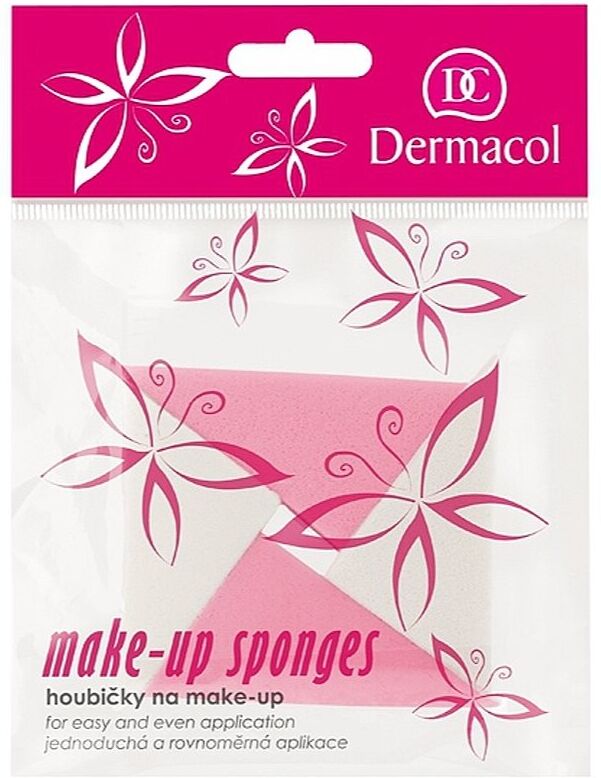
Dermacol Accessories triangular makeup sponge 4 pcDermacol Accessories, 4 pc, Brushes and Sponges for Women, When you’re applying foundation with your fingers or a brush, do you get the feeling that you’re not achieving the results you’d like? Try an alternative to traditional brushes. The Dermacol Accessories makeup sponge provides flawless application of foundation for a professional-looking result. It will help you cover all skin imperfections with a more natural-looking result than you could ever achieve with your fingers. Its shape adapts to the contours of every face, applying product into every nook and cranny, with its ultra-soft surface ensuring an even and precise application without streaks or absorbing too much makeup. Characteristics: comfortable to hold in the hand applies cream or liquid makeup precisely the result is a smooth finish ensures easy application on your face, even in corners How to use: Apply foundation, base or concealer to the sponge, then spread lightly across the face. After use, wash the sponge in lukewarm soapy water.1,10 £*Shipping: 3,99 £Secure redirect to the provider
-
Dermacol Accessories Beauty Blender teardrop makeup sponge 1 pcDermacol Accessories Beauty Blender, 1 pc, Sponges for Women, When you’re applying foundation with your fingers or a brush, do you get the feeling that you’re not achieving the results you’d like? Try an alternative to traditional brushes. The Dermacol Accessories Beauty Blender makeup sponge provides flawless application of foundation for a professional-looking result. It will help you cover all skin imperfections with a more natural-looking result than you could ever achieve with your fingers. Its shape adapts to the contours of every face, applying product into every nook and cranny, with its ultra-soft surface ensuring an even and precise application without streaks or absorbing too much makeup. Characteristics: comfortable to hold in the hand applies cream or liquid makeup precisely the result is a smooth finish smooth foam applicator How to use: Dampen the sponge before use. Apply foundation, base or concealer to the sponge, then spread lightly across the face.3,10 £*Shipping: 3,99 £Secure redirect to the provider
-
What is the Himalayas?
The Himalayas is a vast mountain range in Asia, separating the plains of the Indian subcontinent from the Tibetan Plateau. It is home to some of the world's highest peaks, including Mount Everest, and spans five countries: India, Nepal, Bhutan, China, and Pakistan. The Himalayas are also known for their rich biodiversity, with a wide variety of flora and fauna found in the region. Additionally, the range has significant cultural and spiritual importance, with many sacred sites and pilgrimage routes located within its peaks and valleys. **
-
Where is the Himalayas located?
The Himalayas are located in Asia, spanning across five countries: India, Nepal, Bhutan, China, and Pakistan. This mountain range stretches over 1,500 miles from east to west, and its highest peak, Mount Everest, is situated in Nepal. The Himalayas are known for their majestic beauty and are a popular destination for trekkers, climbers, and nature enthusiasts. **
-
How old is the Himalayas?
The Himalayas are estimated to be around 50 million years old. The mountain range was formed as a result of the collision between the Indian and Eurasian tectonic plates. Over millions of years, the Himalayas have continued to grow and change due to the ongoing movement of these plates. The Himalayas are considered relatively young compared to other mountain ranges on Earth. **
-
How high are the Himalayas?
The Himalayas are the highest mountain range in the world, with the highest peak being Mount Everest at 29,032 feet (8,849 meters) above sea level. The range spans across five countries - India, Nepal, Bhutan, China, and Pakistan - and includes over 100 mountains that are over 23,600 feet (7,200 meters) high. The average elevation of the Himalayas is around 16,000 feet (4,900 meters) above sea level, making it one of the most formidable and majestic mountain ranges on Earth. **
Similar search terms for Himalayas
-
Diva & Nice Cosmetics Accessories Face makeup remover pads 2 pcDiva & Nice Cosmetics Accessories Face, 2 pc, Makeup remover pads for Women, Makeup removal is an essential skincare step that should never be skipped. The Diva & Nice CosmeticsAccessoriesFace makeup remover pads help to wipe off all foundation from your face, cleanse your skin and prepare it for the next step of your skincare routine. Characteristics: help remove makeup and clean the skin absorb makeup remover brilliantly a smooth surface that is gentle on the skin How to use: Apply makeup remover or cleanser to the makeup remover pad and use circular movements to clean the skin thoroughly.1,80 £*Shipping: 3,99 £Secure redirect to the provider
-
Smart Shopping Spot Silicone DIY Mask Brush Soft Head For Smooth, Precise Application Of Face Masks & Makeup cTake the mess out of your beauty routine with the 1pc Silicone DIY Mask Brush. Specially designed for applying masks, this soft yet firm brush ensures a smooth, precise application every time. Whether you're using mud, clay, or charcoal masks, the...29,97 $*Shipping: 0,00 $Secure redirect to the provider
-
Inspire Select Red Foam Clown Nose Balls DIY Cosplay Costume Props For Circus, Halloween, Party & Performance Accessories 5pcsBring laughter and unforgettable fun to every celebration with a playful costume accessory everyone will love. These lightweight red clown nose props are made from soft foam for a comfortable fit during parties, performances, and themed events....42,98 $*Shipping: 0,00 $Secure redirect to the provider
-
Smart Shopping Spot Silicone DIY Mask Brush Soft Head For Smooth, Precise Application Of Face Masks & Makeup dTake the mess out of your beauty routine with the 1pc Silicone DIY Mask Brush. Specially designed for applying masks, this soft yet firm brush ensures a smooth, precise application every time. Whether you're using mud, clay, or charcoal masks, the...29,97 $*Shipping: 0,00 $Secure redirect to the provider
-
How was the Himalayas formed?
The Himalayas were formed through the collision of the Indian Plate and the Eurasian Plate. Around 50 million years ago, the Indian Plate began moving northward and eventually collided with the Eurasian Plate. This collision caused the Earth's crust to crumple and fold, resulting in the formation of the Himalayan mountain range. The ongoing tectonic activity in the region continues to push the Himalayas higher, making them one of the youngest and tallest mountain ranges in the world. **
-
Why are there no volcanoes in the Himalayas?
The Himalayas are formed by the collision of the Indian and Eurasian tectonic plates, which has resulted in the uplift of the region. This collision has caused the crust to thicken and push upwards, creating the towering mountain range. However, the process of subduction, which is responsible for the formation of volcanoes, is not occurring in the Himalayas. Instead, the collision has led to the formation of fold mountains, where the crust is pushed together and uplifted, but not melted and erupted as in the case of volcanic mountains. Therefore, the absence of subduction and the type of tectonic activity in the Himalayas are the reasons why there are no volcanoes in the region. **
-
Why is there no active volcanism in the Himalayas?
The Himalayas are formed by the collision of the Indian and Eurasian tectonic plates, which has resulted in the uplift of the region. This collision has caused the crust to thicken and compress, making it difficult for magma to rise to the surface and form volcanoes. Additionally, the Indian plate is currently moving northward and underthrusting beneath the Eurasian plate, which further inhibits volcanic activity in the region. As a result, the Himalayas do not have active volcanism. **
-
What is the climate like in the Bhutan Himalayas?
The climate in the Bhutan Himalayas varies depending on the altitude. In the lower regions, the climate is subtropical with hot and humid summers and mild winters. As you move higher up, the climate becomes cooler and more temperate, with a mix of temperate and alpine forests. At the highest elevations, the climate is alpine and can be very cold, with snow and freezing temperatures. Overall, the climate in the Bhutan Himalayas is diverse and can change dramatically with elevation. **
* All prices are inclusive of VAT and, if applicable, plus shipping costs. The offer information is based on the details provided by the respective shop and is updated through automated processes. Real-time updates do not occur, so deviations can occur in individual cases. ** Note: Parts of this content were created by AI.