Buy wypozyczalnia-strojow.eu ?
We are moving the project
wypozyczalnia-strojow.eu .
Are you interested in purchasing the domain
wypozyczalnia-strojow.eu ?
domain@kv-gmbh.de · 0541-91531010
Buy wypozyczalnia-strojow.eu ?
Is allosteric inhibition the same as non-competitive inhibition?
Allosteric inhibition and non-competitive inhibition are not the same, although they are related. Non-competitive inhibition refers to the binding of an inhibitor to a site on the enzyme that is not the active site, thereby preventing the substrate from binding to the active site. Allosteric inhibition, on the other hand, occurs when an inhibitor binds to a site on the enzyme that is distinct from the active site, causing a conformational change in the enzyme that reduces its activity. While both types of inhibition involve the binding of an inhibitor to a site other than the active site, allosteric inhibition specifically involves a change in the enzyme's shape and activity. **
What type of inhibition occurs through allosteric activation/inhibition?
Allosteric inhibition occurs when a molecule binds to an allosteric site on an enzyme, causing a conformational change that reduces the enzyme's activity. This type of inhibition is non-competitive, meaning it does not compete with the substrate for the active site. Allosteric activation, on the other hand, occurs when a molecule binds to an allosteric site and enhances the enzyme's activity. Both allosteric inhibition and activation involve the binding of a regulatory molecule to a site other than the active site of the enzyme, leading to a change in the enzyme's activity. **


Similar search terms for Inhibition
Top-Angebote
Products related to Inhibition:
-
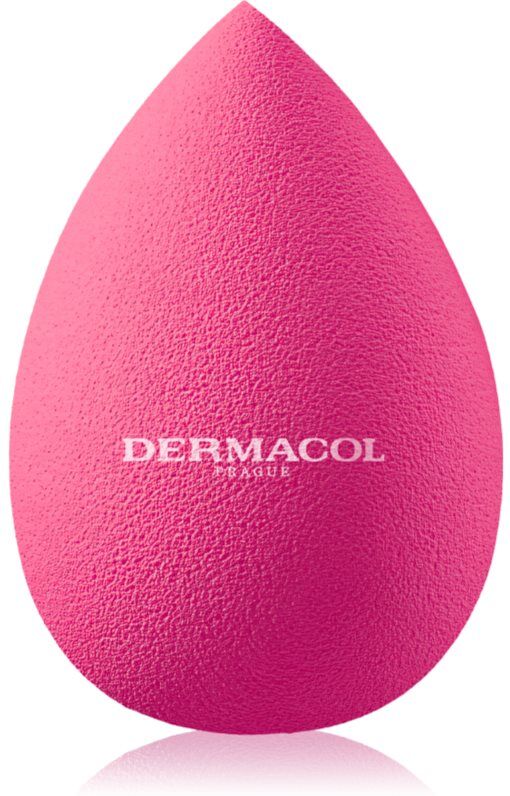
Dermacol Accessories Beauty Blender teardrop makeup sponge 1 pcDermacol Accessories Beauty Blender, 1 pc, Sponges for Women, When you’re applying foundation with your fingers or a brush, do you get the feeling that you’re not achieving the results you’d like? Try an alternative to traditional brushes. The Dermacol Accessories Beauty Blender makeup sponge provides flawless application of foundation for a professional-looking result. It will help you cover all skin imperfections with a more natural-looking result than you could ever achieve with your fingers. Its shape adapts to the contours of every face, applying product into every nook and cranny, with its ultra-soft surface ensuring an even and precise application without streaks or absorbing too much makeup. Characteristics: comfortable to hold in the hand applies cream or liquid makeup precisely the result is a smooth finish smooth foam applicator How to use: Dampen the sponge before use. Apply foundation, base or concealer to the sponge, then spread lightly across the face.3,30 £*Shipping: 3,99 £Secure redirect to the provider
-
Diva & Nice Cosmetics Accessories Face makeup remover pads 2 pcDiva & Nice Cosmetics Accessories Face, 2 pc, Makeup remover pads for Women, Makeup removal is an essential skincare step that should never be skipped. The Diva & Nice CosmeticsAccessoriesFace makeup remover pads help to wipe off all foundation from your face, cleanse your skin and prepare it for the next step of your skincare routine. Characteristics: help remove makeup and clean the skin absorb makeup remover brilliantly a smooth surface that is gentle on the skin How to use: Apply makeup remover or cleanser to the makeup remover pad and use circular movements to clean the skin thoroughly.1,80 £*Shipping: 3,99 £Secure redirect to the provider
-
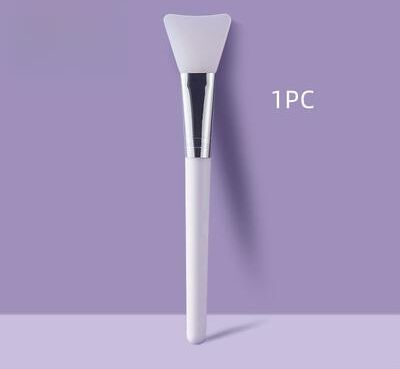
Smart Shopping Spot Silicone DIY Mask Brush Soft Head For Smooth, Precise Application Of Face Masks & Makeup dTake the mess out of your beauty routine with the 1pc Silicone DIY Mask Brush. Specially designed for applying masks, this soft yet firm brush ensures a smooth, precise application every time. Whether you're using mud, clay, or charcoal masks, the...29,97 $*Shipping: 0,00 $Secure redirect to the provider
-
Combo Retail Shop Plastic Trays, Jewellery Storage Plates, Photo Props, Display Plates, Light Luxury Accessories And Ornaments whiteCreate a beautifully organised space with these light luxury trays designed for styling, storing, and showcasing your favourite pieces. Made for modern homes and creative work spaces, these trays bring together function and design in a way that...31,97 $*Shipping: 0,00 $Secure redirect to the provider


-
What is the difference between competitive inhibition and allosteric inhibition?
Competitive inhibition occurs when a molecule competes with the substrate for the active site of an enzyme, effectively blocking the substrate from binding and inhibiting the enzyme's activity. In contrast, allosteric inhibition occurs when a molecule binds to a site on the enzyme other than the active site, causing a conformational change that reduces the enzyme's activity. While competitive inhibition directly competes with the substrate for the active site, allosteric inhibition involves binding to a different site on the enzyme to regulate its activity. **
-
Is allosteric inhibition irreversible?
Allosteric inhibition is typically reversible, meaning that the inhibitor can bind to the allosteric site and block the activity of the enzyme, but can also dissociate from the site, allowing the enzyme to regain its activity. This is in contrast to irreversible inhibition, where the inhibitor forms a covalent bond with the enzyme, permanently inactivating it. **
-
Non-competitive inhibition, right?
Non-competitive inhibition is a type of enzyme inhibition where the inhibitor binds to a site on the enzyme that is not the active site. This binding causes a conformational change in the enzyme, making it less effective at catalyzing the reaction. Non-competitive inhibitors do not compete with the substrate for binding to the enzyme. Instead, they can bind to the enzyme-substrate complex or to a separate allosteric site on the enzyme. **
-
What is allosteric inhibition?
Allosteric inhibition is a type of enzyme regulation where a molecule binds to a site on the enzyme that is different from the active site, causing a conformational change in the enzyme's structure. This change reduces the enzyme's activity and ability to bind to its substrate, ultimately inhibiting its function. Allosteric inhibition is a reversible process and can be used to regulate enzyme activity in response to changing cellular conditions. **

What is the difference between allosteric inhibition and competitive inhibition in biology?
Allosteric inhibition occurs when a molecule binds to an allosteric site on an enzyme, causing a conformational change that reduces the enzyme's activity. This type of inhibition is non-competitive and can affect multiple enzymes in a metabolic pathway. On the other hand, competitive inhibition occurs when a molecule competes with the substrate for the active site of the enzyme, effectively blocking the substrate from binding and reducing the enzyme's activity. Competitive inhibition can be overcome by increasing the concentration of the substrate, while allosteric inhibition cannot be overcome in the same way. **
What is the difference between non-competitive inhibition and allosteric inhibition in biochemistry?
Non-competitive inhibition occurs when an inhibitor binds to an enzyme at a site other than the active site, causing a conformational change in the enzyme that reduces its activity. This type of inhibition does not compete with the substrate for binding to the active site. On the other hand, allosteric inhibition occurs when an inhibitor binds to an allosteric site on the enzyme, causing a conformational change that reduces the enzyme's activity. Allosteric inhibition can be reversible or irreversible, and it can be overcome by increasing the concentration of the substrate. **
Top-Angebote
Products related to Inhibition:
-
Dermacol Accessories Beauty Blender teardrop makeup sponge 1 pcDermacol Accessories Beauty Blender, 1 pc, Sponges for Women, When you’re applying foundation with your fingers or a brush, do you get the feeling that you’re not achieving the results you’d like? Try an alternative to traditional brushes. The Dermacol Accessories Beauty Blender makeup sponge provides flawless application of foundation for a professional-looking result. It will help you cover all skin imperfections with a more natural-looking result than you could ever achieve with your fingers. Its shape adapts to the contours of every face, applying product into every nook and cranny, with its ultra-soft surface ensuring an even and precise application without streaks or absorbing too much makeup. Characteristics: comfortable to hold in the hand applies cream or liquid makeup precisely the result is a smooth finish smooth foam applicator How to use: Dampen the sponge before use. Apply foundation, base or concealer to the sponge, then spread lightly across the face.3,30 £*Shipping: 3,99 £Secure redirect to the provider
-
Diva & Nice Cosmetics Accessories Face makeup remover pads 2 pcDiva & Nice Cosmetics Accessories Face, 2 pc, Makeup remover pads for Women, Makeup removal is an essential skincare step that should never be skipped. The Diva & Nice CosmeticsAccessoriesFace makeup remover pads help to wipe off all foundation from your face, cleanse your skin and prepare it for the next step of your skincare routine. Characteristics: help remove makeup and clean the skin absorb makeup remover brilliantly a smooth surface that is gentle on the skin How to use: Apply makeup remover or cleanser to the makeup remover pad and use circular movements to clean the skin thoroughly.1,80 £*Shipping: 3,99 £Secure redirect to the provider
-
Is allosteric inhibition the same as non-competitive inhibition?
Allosteric inhibition and non-competitive inhibition are not the same, although they are related. Non-competitive inhibition refers to the binding of an inhibitor to a site on the enzyme that is not the active site, thereby preventing the substrate from binding to the active site. Allosteric inhibition, on the other hand, occurs when an inhibitor binds to a site on the enzyme that is distinct from the active site, causing a conformational change in the enzyme that reduces its activity. While both types of inhibition involve the binding of an inhibitor to a site other than the active site, allosteric inhibition specifically involves a change in the enzyme's shape and activity. **
-
What type of inhibition occurs through allosteric activation/inhibition?
Allosteric inhibition occurs when a molecule binds to an allosteric site on an enzyme, causing a conformational change that reduces the enzyme's activity. This type of inhibition is non-competitive, meaning it does not compete with the substrate for the active site. Allosteric activation, on the other hand, occurs when a molecule binds to an allosteric site and enhances the enzyme's activity. Both allosteric inhibition and activation involve the binding of a regulatory molecule to a site other than the active site of the enzyme, leading to a change in the enzyme's activity. **
-
What is the difference between competitive inhibition and allosteric inhibition?
Competitive inhibition occurs when a molecule competes with the substrate for the active site of an enzyme, effectively blocking the substrate from binding and inhibiting the enzyme's activity. In contrast, allosteric inhibition occurs when a molecule binds to a site on the enzyme other than the active site, causing a conformational change that reduces the enzyme's activity. While competitive inhibition directly competes with the substrate for the active site, allosteric inhibition involves binding to a different site on the enzyme to regulate its activity. **
-
Is allosteric inhibition irreversible?
Allosteric inhibition is typically reversible, meaning that the inhibitor can bind to the allosteric site and block the activity of the enzyme, but can also dissociate from the site, allowing the enzyme to regain its activity. This is in contrast to irreversible inhibition, where the inhibitor forms a covalent bond with the enzyme, permanently inactivating it. **
Similar search terms for Inhibition
-
Smart Shopping Spot Silicone DIY Mask Brush Soft Head For Smooth, Precise Application Of Face Masks & Makeup dTake the mess out of your beauty routine with the 1pc Silicone DIY Mask Brush. Specially designed for applying masks, this soft yet firm brush ensures a smooth, precise application every time. Whether you're using mud, clay, or charcoal masks, the...29,97 $*Shipping: 0,00 $Secure redirect to the provider
-
Combo Retail Shop Plastic Trays, Jewellery Storage Plates, Photo Props, Display Plates, Light Luxury Accessories And Ornaments whiteCreate a beautifully organised space with these light luxury trays designed for styling, storing, and showcasing your favourite pieces. Made for modern homes and creative work spaces, these trays bring together function and design in a way that...31,97 $*Shipping: 0,00 $Secure redirect to the provider
-
Smart Shopping Spot Silicone DIY Mask Brush Soft Head For Smooth, Precise Application Of Face Masks & Makeup cTake the mess out of your beauty routine with the 1pc Silicone DIY Mask Brush. Specially designed for applying masks, this soft yet firm brush ensures a smooth, precise application every time. Whether you're using mud, clay, or charcoal masks, the...29,97 $*Shipping: 0,00 $Secure redirect to the provider
-
Smart Shopping Spot Silicone DIY Mask Brush Soft Head For Smooth, Precise Application Of Face Masks & Makeup bTake the mess out of your beauty routine with the 1pc Silicone DIY Mask Brush. Specially designed for applying masks, this soft yet firm brush ensures a smooth, precise application every time. Whether you're using mud, clay, or charcoal masks, the...29,97 $*Shipping: 0,00 $Secure redirect to the provider
-
Non-competitive inhibition, right?
Non-competitive inhibition is a type of enzyme inhibition where the inhibitor binds to a site on the enzyme that is not the active site. This binding causes a conformational change in the enzyme, making it less effective at catalyzing the reaction. Non-competitive inhibitors do not compete with the substrate for binding to the enzyme. Instead, they can bind to the enzyme-substrate complex or to a separate allosteric site on the enzyme. **
-
What is allosteric inhibition?
Allosteric inhibition is a type of enzyme regulation where a molecule binds to a site on the enzyme that is different from the active site, causing a conformational change in the enzyme's structure. This change reduces the enzyme's activity and ability to bind to its substrate, ultimately inhibiting its function. Allosteric inhibition is a reversible process and can be used to regulate enzyme activity in response to changing cellular conditions. **
-
What is the difference between allosteric inhibition and competitive inhibition in biology?
Allosteric inhibition occurs when a molecule binds to an allosteric site on an enzyme, causing a conformational change that reduces the enzyme's activity. This type of inhibition is non-competitive and can affect multiple enzymes in a metabolic pathway. On the other hand, competitive inhibition occurs when a molecule competes with the substrate for the active site of the enzyme, effectively blocking the substrate from binding and reducing the enzyme's activity. Competitive inhibition can be overcome by increasing the concentration of the substrate, while allosteric inhibition cannot be overcome in the same way. **
-
What is the difference between non-competitive inhibition and allosteric inhibition in biochemistry?
Non-competitive inhibition occurs when an inhibitor binds to an enzyme at a site other than the active site, causing a conformational change in the enzyme that reduces its activity. This type of inhibition does not compete with the substrate for binding to the active site. On the other hand, allosteric inhibition occurs when an inhibitor binds to an allosteric site on the enzyme, causing a conformational change that reduces the enzyme's activity. Allosteric inhibition can be reversible or irreversible, and it can be overcome by increasing the concentration of the substrate. **
* All prices are inclusive of VAT and, if applicable, plus shipping costs. The offer information is based on the details provided by the respective shop and is updated through automated processes. Real-time updates do not occur, so deviations can occur in individual cases. ** Note: Parts of this content were created by AI.