Buy wypozyczalnia-strojow.eu ?
We are moving the project
wypozyczalnia-strojow.eu .
Are you interested in purchasing the domain
wypozyczalnia-strojow.eu ?
domain@kv-gmbh.de · 0541-91531010
Buy wypozyczalnia-strojow.eu ?
Are photons electrons?
No, photons are not electrons. Photons are elementary particles that make up light and electromagnetic radiation, while electrons are negatively charged subatomic particles that are part of atoms. Photons have no mass and travel at the speed of light, while electrons have mass and are bound to the nucleus of an atom. **
What happens to photons?
Photons are elementary particles that make up light. They do not have mass and travel at the speed of light. When photons interact with matter, they can be absorbed, reflected, or transmitted. Absorption of photons can result in the excitation of electrons, leading to various physical and chemical processes. **


Similar search terms for Photons
Top-Angebote
Products related to Photons:
-
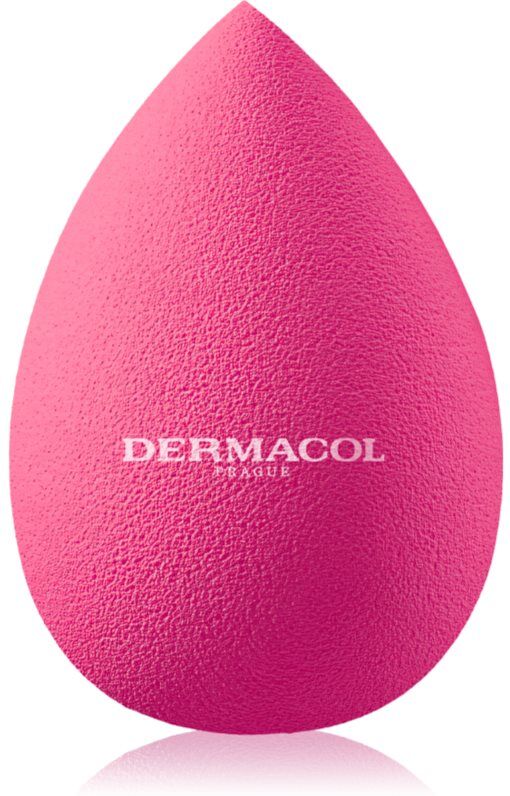
Dermacol Accessories Beauty Blender teardrop makeup sponge 1 pcDermacol Accessories Beauty Blender, 1 pc, Sponges for Women, When you’re applying foundation with your fingers or a brush, do you get the feeling that you’re not achieving the results you’d like? Try an alternative to traditional brushes. The Dermacol Accessories Beauty Blender makeup sponge provides flawless application of foundation for a professional-looking result. It will help you cover all skin imperfections with a more natural-looking result than you could ever achieve with your fingers. Its shape adapts to the contours of every face, applying product into every nook and cranny, with its ultra-soft surface ensuring an even and precise application without streaks or absorbing too much makeup. Characteristics: comfortable to hold in the hand applies cream or liquid makeup precisely the result is a smooth finish smooth foam applicator How to use: Dampen the sponge before use. Apply foundation, base or concealer to the sponge, then spread lightly across the face.3,30 £*Shipping: 3,99 £Secure redirect to the provider
-
Diva & Nice Cosmetics Accessories Face makeup remover pads 2 pcDiva & Nice Cosmetics Accessories Face, 2 pc, Makeup remover pads for Women, Makeup removal is an essential skincare step that should never be skipped. The Diva & Nice CosmeticsAccessoriesFace makeup remover pads help to wipe off all foundation from your face, cleanse your skin and prepare it for the next step of your skincare routine. Characteristics: help remove makeup and clean the skin absorb makeup remover brilliantly a smooth surface that is gentle on the skin How to use: Apply makeup remover or cleanser to the makeup remover pad and use circular movements to clean the skin thoroughly.1,80 £*Shipping: 3,99 £Secure redirect to the provider
-
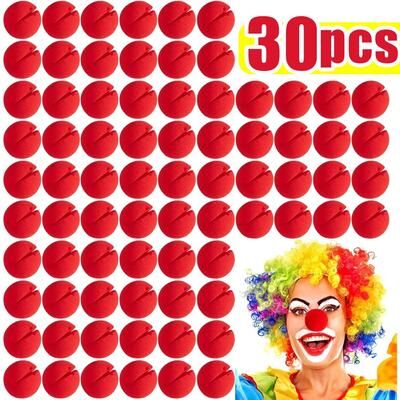
Inspire Select Red Foam Clown Nose Balls DIY Cosplay Costume Props For Circus, Halloween, Party & Performance Accessories 30pcsBring laughter and unforgettable fun to every celebration with a playful costume accessory everyone will love. These lightweight red clown nose props are made from soft foam for a comfortable fit during parties, performances, and themed events....75,97 $*Shipping: 0,00 $Secure redirect to the provider
-
Combo Retail Shop Plastic Trays, Jewellery Storage Plates, Photo Props, Display Plates, Light Luxury Accessories And Ornaments whiteCreate a beautifully organised space with these light luxury trays designed for styling, storing, and showcasing your favourite pieces. Made for modern homes and creative work spaces, these trays bring together function and design in a way that...31,97 $*Shipping: 0,00 $Secure redirect to the provider


-
How are photons created?
Photons are created through a process called electromagnetic radiation. This occurs when an atom absorbs energy, causing its electrons to move to a higher energy level. When the electrons return to their original energy level, they release the absorbed energy in the form of photons. This process can happen in various ways, such as through thermal radiation, chemical reactions, or nuclear reactions. **
-
How can one convert the energy of different photons into monochromatic photons?
One way to convert the energy of different photons into monochromatic photons is through a process called frequency doubling or second harmonic generation. This involves passing the photons through a nonlinear crystal, which causes the photons to combine and create new photons with double the frequency and half the wavelength of the original photons. This results in monochromatic photons with a single, specific wavelength. Another method is through the use of filters or monochromators, which can selectively filter out photons of specific wavelengths, allowing only monochromatic photons to pass through. **
-
How can photons have mass?
Photons are massless particles according to the Standard Model of particle physics. They travel at the speed of light and have zero rest mass. However, in certain theoretical models beyond the Standard Model, such as some versions of string theory, it is possible for photons to acquire a small amount of mass through interactions with other particles or fields. This mass is typically very small and has not been experimentally observed. **
-
What distinguishes photons and protons?
Photons are elementary particles that carry electromagnetic radiation, such as light, while protons are subatomic particles found in the nucleus of an atom. Photons have no mass and travel at the speed of light, while protons have mass and are composed of quarks. Additionally, photons do not have an electric charge, while protons have a positive electric charge. **


Why can photons penetrate matter?
Photons can penetrate matter because they do not have an electric charge and are not affected by electromagnetic forces within the material. Additionally, photons do not have mass, allowing them to travel at the speed of light and pass through matter without being absorbed or deflected. This property of photons enables them to interact with atoms and molecules in the material, leading to phenomena such as absorption, reflection, and transmission. **
How far do photons travel?
Photons, as particles of light, travel at the speed of light in a vacuum, which is approximately 299,792 kilometers per second. This means that photons can travel vast distances in a very short amount of time. However, their travel distance can be affected by factors such as absorption, reflection, and scattering, which can cause them to be absorbed or redirected before reaching their destination. **
Top-Angebote
Products related to Photons:
-
Dermacol Accessories Beauty Blender teardrop makeup sponge 1 pcDermacol Accessories Beauty Blender, 1 pc, Sponges for Women, When you’re applying foundation with your fingers or a brush, do you get the feeling that you’re not achieving the results you’d like? Try an alternative to traditional brushes. The Dermacol Accessories Beauty Blender makeup sponge provides flawless application of foundation for a professional-looking result. It will help you cover all skin imperfections with a more natural-looking result than you could ever achieve with your fingers. Its shape adapts to the contours of every face, applying product into every nook and cranny, with its ultra-soft surface ensuring an even and precise application without streaks or absorbing too much makeup. Characteristics: comfortable to hold in the hand applies cream or liquid makeup precisely the result is a smooth finish smooth foam applicator How to use: Dampen the sponge before use. Apply foundation, base or concealer to the sponge, then spread lightly across the face.3,30 £*Shipping: 3,99 £Secure redirect to the provider
-
Diva & Nice Cosmetics Accessories Face makeup remover pads 2 pcDiva & Nice Cosmetics Accessories Face, 2 pc, Makeup remover pads for Women, Makeup removal is an essential skincare step that should never be skipped. The Diva & Nice CosmeticsAccessoriesFace makeup remover pads help to wipe off all foundation from your face, cleanse your skin and prepare it for the next step of your skincare routine. Characteristics: help remove makeup and clean the skin absorb makeup remover brilliantly a smooth surface that is gentle on the skin How to use: Apply makeup remover or cleanser to the makeup remover pad and use circular movements to clean the skin thoroughly.1,80 £*Shipping: 3,99 £Secure redirect to the provider
-
Are photons electrons?
No, photons are not electrons. Photons are elementary particles that make up light and electromagnetic radiation, while electrons are negatively charged subatomic particles that are part of atoms. Photons have no mass and travel at the speed of light, while electrons have mass and are bound to the nucleus of an atom. **
-
What happens to photons?
Photons are elementary particles that make up light. They do not have mass and travel at the speed of light. When photons interact with matter, they can be absorbed, reflected, or transmitted. Absorption of photons can result in the excitation of electrons, leading to various physical and chemical processes. **
-
How are photons created?
Photons are created through a process called electromagnetic radiation. This occurs when an atom absorbs energy, causing its electrons to move to a higher energy level. When the electrons return to their original energy level, they release the absorbed energy in the form of photons. This process can happen in various ways, such as through thermal radiation, chemical reactions, or nuclear reactions. **
-
How can one convert the energy of different photons into monochromatic photons?
One way to convert the energy of different photons into monochromatic photons is through a process called frequency doubling or second harmonic generation. This involves passing the photons through a nonlinear crystal, which causes the photons to combine and create new photons with double the frequency and half the wavelength of the original photons. This results in monochromatic photons with a single, specific wavelength. Another method is through the use of filters or monochromators, which can selectively filter out photons of specific wavelengths, allowing only monochromatic photons to pass through. **
Similar search terms for Photons
-
Inspire Select Red Foam Clown Nose Balls DIY Cosplay Costume Props For Circus, Halloween, Party & Performance Accessories 30pcsBring laughter and unforgettable fun to every celebration with a playful costume accessory everyone will love. These lightweight red clown nose props are made from soft foam for a comfortable fit during parties, performances, and themed events....75,97 $*Shipping: 0,00 $Secure redirect to the provider
-
Combo Retail Shop Plastic Trays, Jewellery Storage Plates, Photo Props, Display Plates, Light Luxury Accessories And Ornaments whiteCreate a beautifully organised space with these light luxury trays designed for styling, storing, and showcasing your favourite pieces. Made for modern homes and creative work spaces, these trays bring together function and design in a way that...31,97 $*Shipping: 0,00 $Secure redirect to the provider
-
Inspire Select Red Foam Clown Nose Balls DIY Cosplay Costume Props For Circus, Halloween, Party & Performance Accessories 50pcsBring laughter and unforgettable fun to every celebration with a playful costume accessory everyone will love. These lightweight red clown nose props are made from soft foam for a comfortable fit during parties, performances, and themed events....40,97 $*Shipping: 0,00 $Secure redirect to the provider
-
Inspire Select Red Foam Clown Nose Balls DIY Cosplay Costume Props For Circus, Halloween, Party & Performance Accessories 20pcsBring laughter and unforgettable fun to every celebration with a playful costume accessory everyone will love. These lightweight red clown nose props are made from soft foam for a comfortable fit during parties, performances, and themed events....64,96 $*Shipping: 0,00 $Secure redirect to the provider
-
How can photons have mass?
Photons are massless particles according to the Standard Model of particle physics. They travel at the speed of light and have zero rest mass. However, in certain theoretical models beyond the Standard Model, such as some versions of string theory, it is possible for photons to acquire a small amount of mass through interactions with other particles or fields. This mass is typically very small and has not been experimentally observed. **
-
What distinguishes photons and protons?
Photons are elementary particles that carry electromagnetic radiation, such as light, while protons are subatomic particles found in the nucleus of an atom. Photons have no mass and travel at the speed of light, while protons have mass and are composed of quarks. Additionally, photons do not have an electric charge, while protons have a positive electric charge. **
-
Why can photons penetrate matter?
Photons can penetrate matter because they do not have an electric charge and are not affected by electromagnetic forces within the material. Additionally, photons do not have mass, allowing them to travel at the speed of light and pass through matter without being absorbed or deflected. This property of photons enables them to interact with atoms and molecules in the material, leading to phenomena such as absorption, reflection, and transmission. **
-
How far do photons travel?
Photons, as particles of light, travel at the speed of light in a vacuum, which is approximately 299,792 kilometers per second. This means that photons can travel vast distances in a very short amount of time. However, their travel distance can be affected by factors such as absorption, reflection, and scattering, which can cause them to be absorbed or redirected before reaching their destination. **
* All prices are inclusive of VAT and, if applicable, plus shipping costs. The offer information is based on the details provided by the respective shop and is updated through automated processes. Real-time updates do not occur, so deviations can occur in individual cases. ** Note: Parts of this content were created by AI.